
Pirate Hideouts: The Greatest Pirate Havens of the Golden Age
Caribbean Pirate Coves, Atlantic Strongholds & Beyond
During the Golden Age of Piracy, a good pirate hideout was as essential as a fast ship. The most successful pirates — Blackbeard, Henry Morgan, Thomas Tew, and others — depended on pirate havens where they could refit their vessels, recruit crew, sell plunder, and lie low between raids. Some of these pirate strongholds were remote islands. Others were thriving ports whose corrupt governors kept the door wide open. All of them shaped the history of piracy.
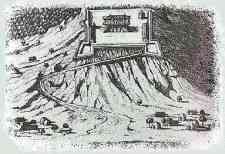
The greatest Caribbean pirate hideouts were Tortuga, Port Royal, and New Providence. Tortuga, the rocky island off the coast of Haiti, was the original buccaneer stronghold — a lawless pirate cove where French and English buccaneers built the raiding culture that would define Caribbean piracy for generations. Port Royal, Jamaica, became the richest and most notorious pirate haven in the New World, so openly corrupt it earned the name “the Sodom of the New World” — until an earthquake swallowed much of the city into the sea in 1692. New Providence in the Bahamas rose to fill the void, with the port of Nassau becoming the heart of the pirate republic era, home to Blackbeard, Charles Vane, Calico Jack, and dozens of others until the Crown sent Woodes Rogers to clean it out in 1718.
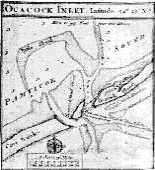
Along the American coast, Ocracoke Inlet in North Carolina was Blackbeard’s preferred pirate cove — shallow enough to keep Royal Navy frigates at bay, and close enough to the shipping lanes to make it a perfect base. Newport, Rhode Island, served a different role: a pirate haven not of hidden coves but of complicit governors, where men like Thomas Tew could resupply and recruit openly before sailing for the Red Sea.
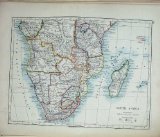
Further afield, the island of Madagascar became the great pirate base of the Indian Ocean — remote, resource-rich, and beyond the reach of any European navy. Pirates like Henry Every and Thomas Tew used it as a staging ground for raids on the treasure ships of the Mughal Empire. Meanwhile, the Barbary Corsairs of North Africa ruled the Mediterranean from fortified pirate strongholds at Tripoli, Tunis, and Algiers — pirate havens backed by state power that endured for centuries. In the Far East, Koxinga used Taiwan as a pirate base and political stronghold, while in India, Kanhoji Angria commanded the pirate stronghold of Severndroog to dominate Bombay and the entire Indian Ocean trade.
Pirate Hideout in the Caribbean: Isle of Tortuga, near Haiti / Port Royal, Jamaica / New Providence, Bahamas
Pirate Cove in America: The Carolina Coast / New England
Pirate Haven in Africa: Madagascar / North Africa
Pirate Hideout in the Far East: Taiwan / South China / West India
What Made a Good Pirate Hideout?
Not every sheltered cove made a viable pirate haven. The best pirate hideouts shared a specific set of qualities: seclusion from naval patrols, reliable access to food and fresh water, shallow coastal waters where large warships could not follow, long sight lines to spot approaching vessels, and either sympathetic locals or enough isolation to operate undetected. Ease of defense was critical — a pirate stronghold that could be easily stormed was no stronghold at all. The finest pirate coves, like Ocracoke and Tortuga, combined most of these factors. The great pirate havens of Nassau and Port Royal added something more: corrupt officials willing to look the other way in exchange for a share of the plunder.
As both an Amazon and eBay Associate I earn from qualifying purchases.
All content ©2003– The Pirate's Realm unless otherwise noted. All rights reserved. Privacy Policy